

Hello stranger!
There are stories that warm the heart, and then there are stories that take you on a journey. In my case, I combine both into a heart-warming journey that culminated in a discovery which turned my life (and not just mine) completely upside down: real, ceremonial cacao.
My name is Mischa – actually, my name is Michael, but I only reveal that when I really have to. I was born in Ukraine, raised in Germany, and eventually, through various detours, I ended up in Latin America.
There, in the middle of the Peruvian jungle, I encountered an inconspicuous but life-changing piece of cacao. This plant captured me so much that I decided to dedicate my life to cacao from that moment on. Sounds dramatic? It really isn't. It's more of a love story – just without the heartbreak and with plenty of cacao.
How did it all begin? Imagine: A small market in Tingo María, a village in the heart of Peru. Little money, but plenty of time on my hands, I stumbled past a stall where an older gentleman was presenting thick, brown chunks on a cotton cloth. “Esto es Cacao,” he said. Wait a minute – that was news to me. Wasn't cacao just powder to make kids happy, or what?
“Cacao puro”
…the señor added and made me understand. Pure cacao? So I dared to try it, bought a chunk, and tasted it. My first thought: “Okay, doesn't exactly taste like chocolate!” In fact, it was bitter and not really what I had expected. But then something strange happened: While on a walk, I noticed that I suddenly became clearer, more relaxed – and I couldn't wipe the smile off my face. There it was, that “wow” feeling. I understood: This cacao has power, and not just in terms of flavor.
That “misguided purchase” turned into a mission: Kakao Mischa – The Cacao Manufactory with a heart: I didn't just want to bring cacao into the world to spread more of this serenity and warmth, but also to value the people who grow it. That’s why it was quickly clear to me: The cacao must be fair, from bean to cup. Because only then can it truly unfold its full magic.
What makes this cacao so special?
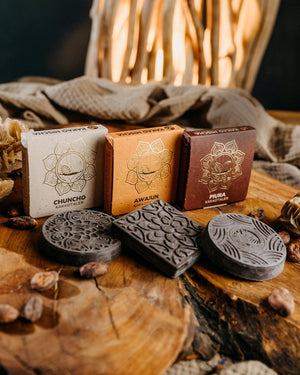
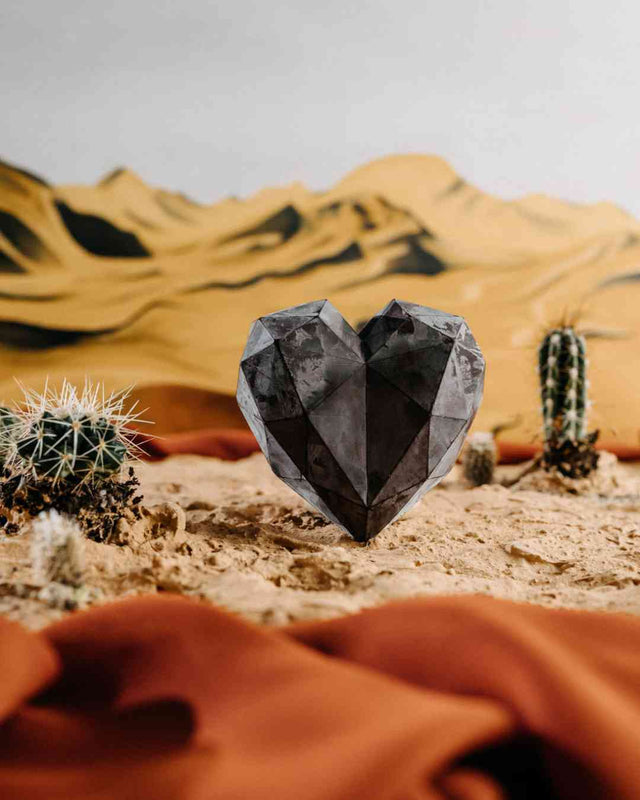
Quite simply: It is real. No frills, no industrial processing, no lost nutrients. Just pure cacao enjoyment. Beautifully molded. Pure joy for the palate and the eyes.
And how do you prepare this traditional South American drink? It's child's play. You need 20 to 30 grams of my cacao (30 grams corresponds to a ceremonial dose), 200 ml of plant-based milk – I swear by oat drink – and spices to your taste. My tip: cinnamon, nutmeg, or a pinch of chili if you like it spicy. You warm everything gently in a pot, stir, and voilà – pure magic in a mug. Use the preparation time to ask yourself: “What do I want to achieve today? What is my intention?” Because cacao is not just a drink, it is your companion when it comes to feeling, thinking, and simply being.
And the effect?
Well, that's a grab bag. Sometimes the cacao gives you an energy kick from the theobromine it contains, sometimes it brings you down and relaxes your nervous system, and sometimes it just makes you smile blissfully. The fact is: Cacao adapts to you, not the other way around. It is therefore adaptogenic. That is what is special about it and what distinguishes it from coffee. And yes, thanks to the happiness hormones and neurotransmitters it releases, it makes you happy – without any racing heart. By the way, a cacao ceremony is not a mandatory event – more of a “take it or leave it” kind of thing. If you enjoy it, take your time, celebrate your cacao with a little gratitude ritual, get creative, dance through the kitchen, or relax with a meditation. Cacao invites you to experience yourself and life: everything is allowed.
Finally, a small side note: Drinking cacao is good for you. So good that you might want to sip it every day soon. It gives you what you need and shows you what is going on inside you. No hocus-pocus, just pure plant power.
So, what are you waiting for?
Make yourself comfortable, grab your favorite mug, and let the cacao speak for itself. And who knows – perhaps it will become your new best friend.
You can find the entire article here.

Find similar articles:
presse
-
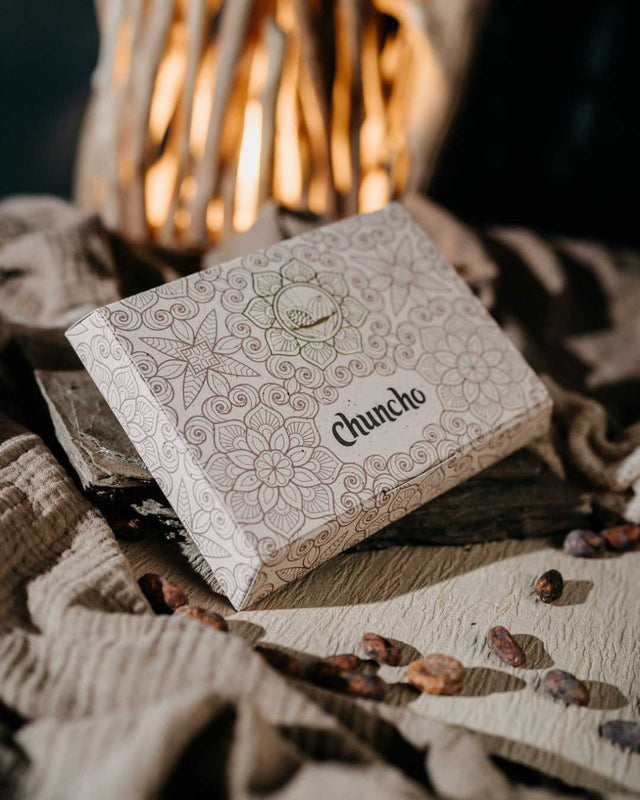
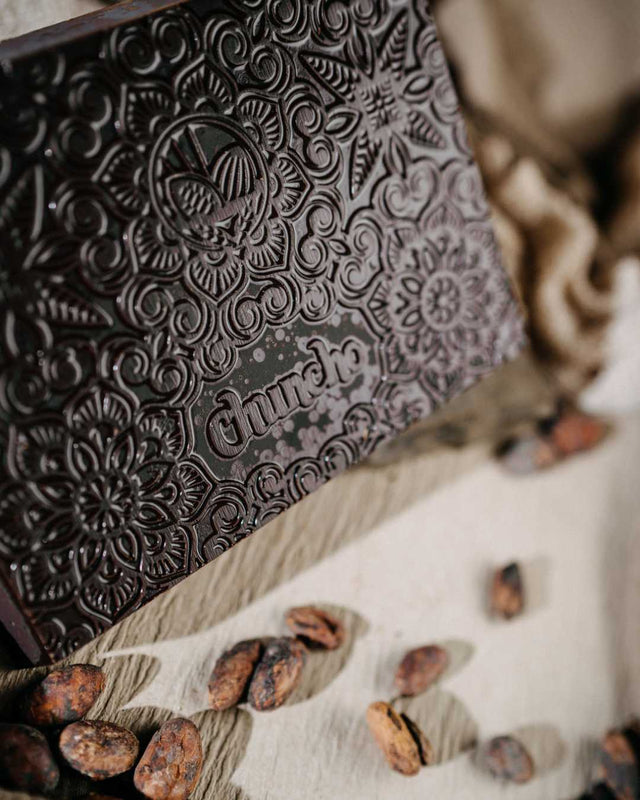 Chuncho
 -
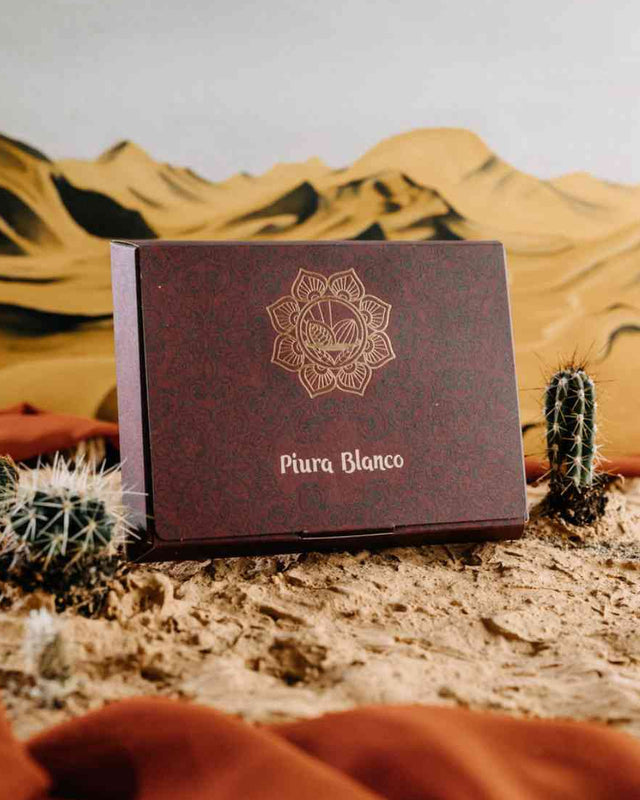
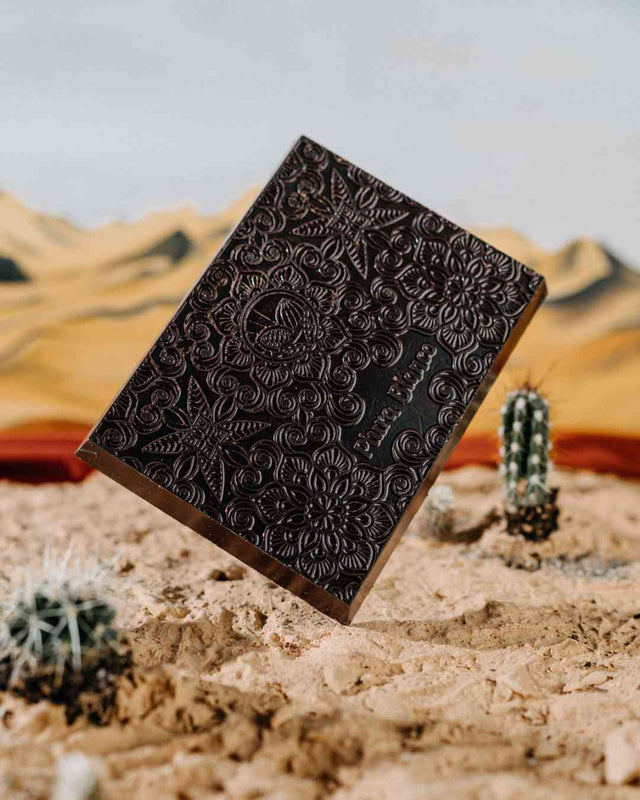 Piura Blanco
 -

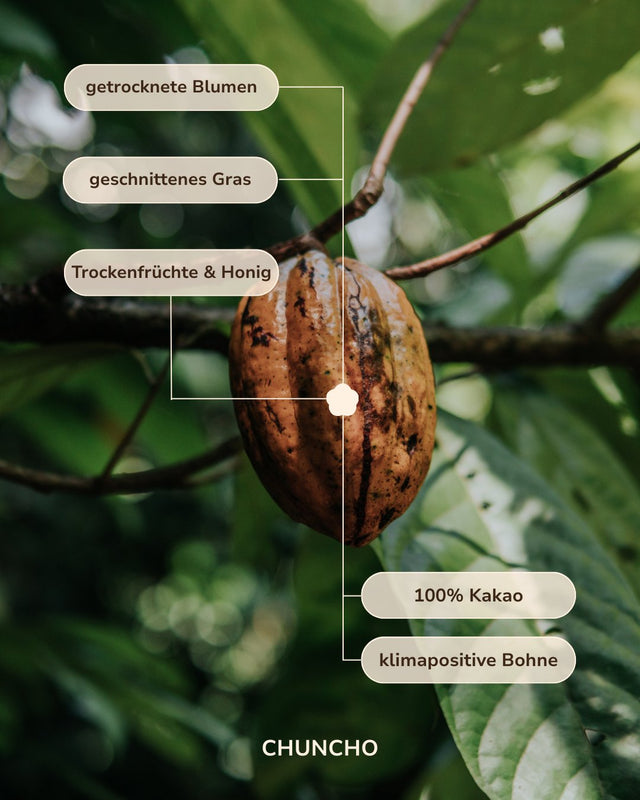 Chuncho
Kakao Mischa
The Chuncho Gift Bundle: Ceremonial Cacao bars with Instructions and Affirmations
8,50 €(283,33 € / kg)Unavailable -
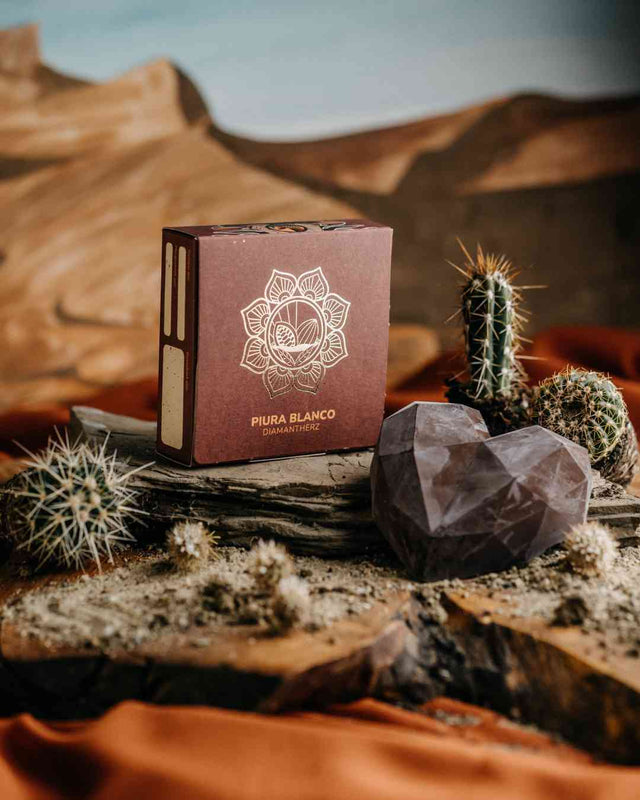
 Piura Blanco

