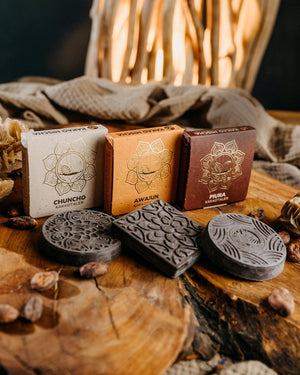


Maya & Aztecs
Legend has it that the feathered god of the wind, Quetzalcoatl, brought cacao to humans from the heavenly realm. The Greek name Theobroma cacao, translated as "food of the gods," is therefore very fitting.
Aztec leaders are said to have sipped the sacred bean daily in the form of a hot, bitter drink. In addition to cacao beans, their beverage contained a wide variety of spices, chili, allspice, and wild honey. It is said that King Montezuma II would guzzle up to 50 cups before attending to his lovers. It makes perfect sense that cacao was declared a currency. 10 beans for a rabbit and a mere 100 for a slave.

Conqueror
Around 500 years ago, the Aztecs ceremoniously welcomed Columbus and presented him with a sack of the finest cocoa beans as a gift of welcome, among other things. He tried the drink and politely declined. He was apparently accustomed to sweeter things.
It was not until 17 years later that another important Spaniard dared to taste the sacred drink. Hernando Cortés was completely blown away, as he reported to the Spanish king. Driven by this euphoria, he bloodthirstily destroyed the Aztec empire and sailed back home about 10 years later. In his luggage, he had a significant amount of cocoa to flatter the king and mix love potions.

Industrial
With the announcement at the royal court, the addition of sugar and spices like vanilla began. The Spanish kept the food of the gods to themselves for a century before they let the secret out due to an international marriage. Shortly thereafter, chocolate houses already existed in the posh corners of Europe. The nobility knew how to sweeten their time.
When Daniel Peter and Henri Nestlé invented milk chocolate in 1875, the healing effect of cocoa was a thing of the past. What remained was an oversweetened industrial product with strong addictive potential.

New explorers
Let’s continue writing the story of this special bean and, together with the history of humanity, turn it for the better.
They say every revolution needs a drink. What could be a more fitting drink for a revolution of the heart than ceremonial cacao?
-
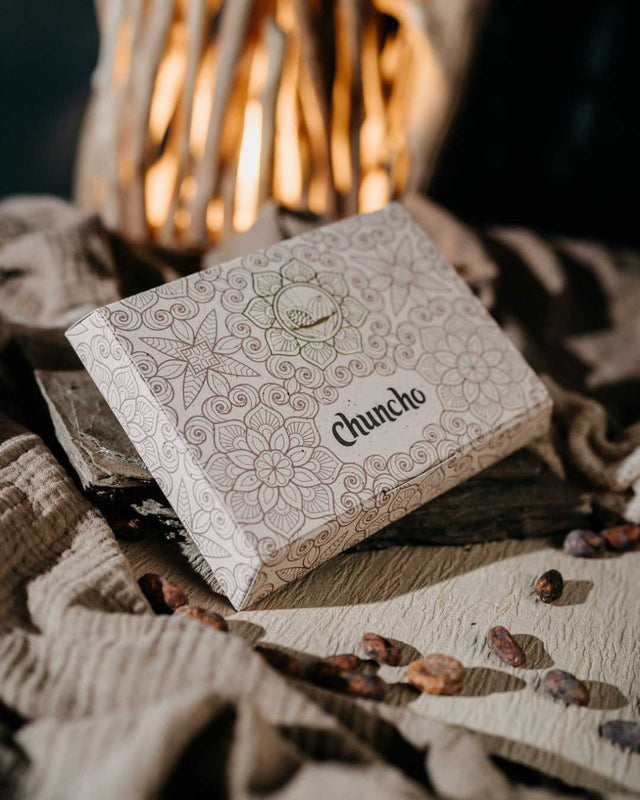
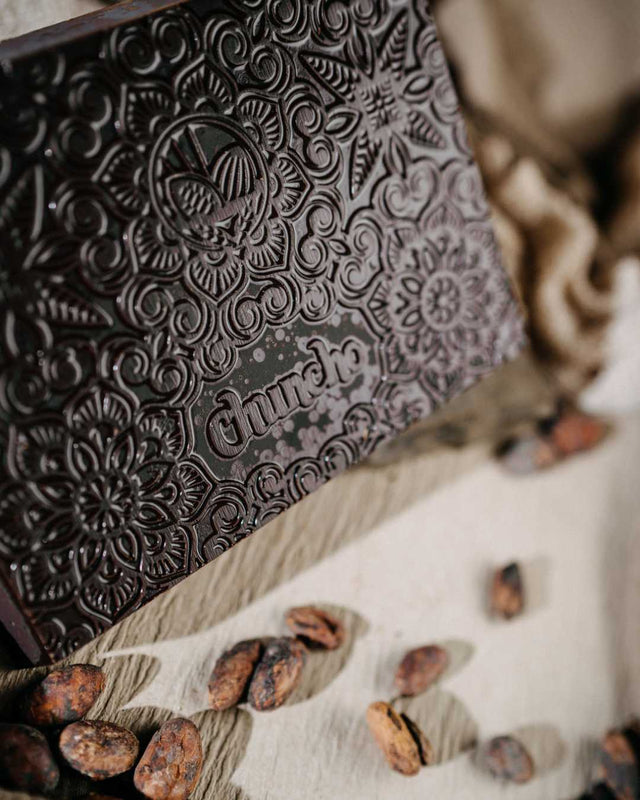 Chuncho
 -

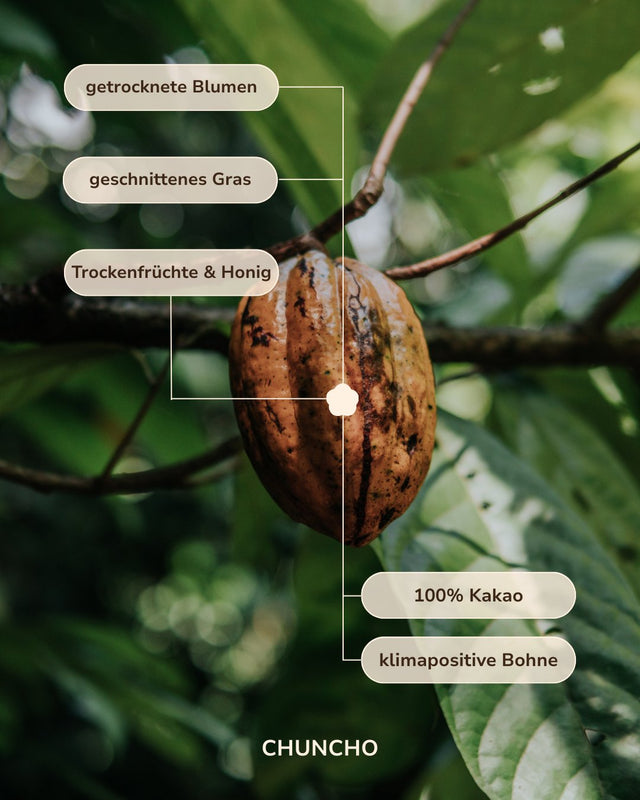 Chuncho
Kakao Mischa
The Chuncho Gift Bundle: Ceremonial Cacao bars with Instructions and Affirmations
8,50 €(283,33 € / kg)Unavailable -
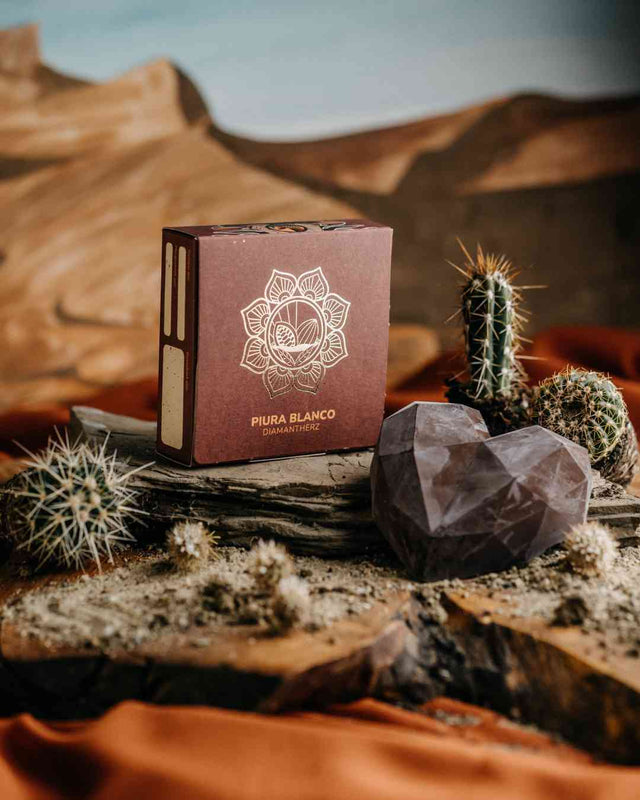
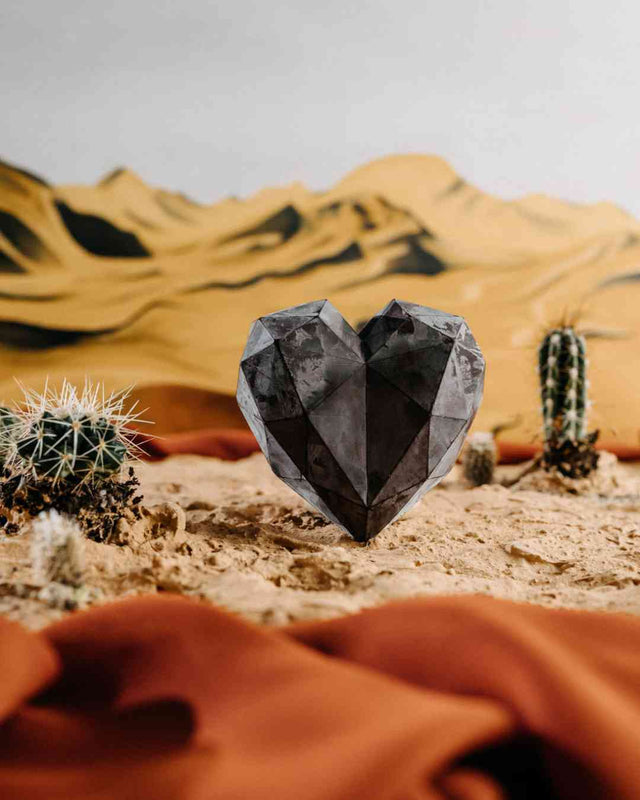 Piura Blanco
 -
 SaleChuncho
Kakao Mischa
The Chuncho: Ceremonial cacao bars in a pack of 12
60 €102 €(166,67 € / kg)Unavailable

