

My first cacao ceremony wasn't really a ceremony at all.
It was 2017 in Tingo María, a small town in the Peruvian jungle. Someone handed me a cup with a dark, warm liquid. No ritual, no preparation, no big fuss. And yet, something happened. A kind of arriving. As if something was opening up in my chest that had previously been on standby.
That was my accidental encounter with cacao. And it changed everything.
Since then, I have visited cacao farmers in Peru, Colombia, Ecuador, Guatemala, and Brazil. I have learned what makes true ceremonial cacao and how it differs from what is sold in supermarkets as "cocoa." I am sharing what I know here. Not as an encyclopedia entry, but just as I understand it myself.
The difference starts with the bean
Ceremonial cacao does not begin at the manufacturing plant. It begins on the farm.
Our cacao beans come from family-run farms in South America, biodynamically grown in areas where the cacao tree still grows as it has for centuries. No mass plantations, no genetic interference, no trading flavor for yield.
I hand-select the varieties on-site. That might sound like marketing, but it’s simply a necessity; because once you have tasted a Chuncho from the Cusco Valley against an industrial Forastero (the world’s most widely grown cacao variety), you understand immediately: These are not related. They are different worlds.

And then comes the second crucial difference: the processing.
Conventional cocoa powder is heavily heated, defatted, and alkalized. This makes it shelf-stable, cheap, and mild to flavorless. The natural cocoa butter is pressed out. Most of the active plant compounds disappear in the process.
With ceremonial cacao, everything stays inside. The cocoa butter, the theobromine, the antioxidants, the magnesium, the natural aromatic structure.
What does "ceremonial" stand for?
The word sounds big to some at first. Almost too big for a cup of cacao.
But "ceremonial" does not describe a specific choreography. It describes an attitude.
In the indigenous cultures of Central America, with the Maya, the Aztecs, and later with the Arhuacos in Colombia or the Yawanawa in Brazil, whom I have visited myself, cacao was not a luxury item. It was medicine for the heart. It was used to strengthen community, support internal processes, and establish connection. Not for an escape outward, but for a journey inward.
This tradition exists to this day. And ceremonial cacao from Kakao Mischa was born out of respect for that very tradition.
That doesn’t mean you have to set up an altar room tomorrow morning before you can drink your cup. It means that it makes a difference whether you consume something consciously or automatically.

What cacao does in the body
Cacao is not a stimulant in the classic sense. It is rather the opposite of coffee.
The main active ingredient is called theobromine. It acts as a vasodilator, literally: it opens the blood vessels, including those around the heart. That explains why many people describe exactly that after a cup of cacao: a warm, soft feeling in the chest. Not wired. More like: opened.
Added to this are magnesium (which calms the nervous system), iron, natural antioxidants, and a whole range of other plant compounds. Everything together makes cacao one of the most nutrient-dense foods in the world, provided it hasn't been stripped of its energy beforehand.
The effect is gentler than coffee, but it is real. More focus, less noise in the head. A kind of grounded clarity.
Important: If you take antidepressants (especially MAO inhibitors), suffer from high blood pressure, or are pregnant, please consult your doctor beforehand. Cacao is powerful, and that applies in both directions.
How to prepare it
Preparation is easier than its reputation.
Take 20–30 g of ceremonial cacao mass (for a moderate dose) or up to 40 g if you are planning an intensive ceremony. Chop or grate the cacao finely. Pour hot water or plant-based milk over it—not boiling, about 70–80 degrees Celsius. Then froth until it is creamy and consistent. A whisk is enough, and so is a milk frother.
Optional: cinnamon, a little chili, vanilla, or a hint of cardamom. Whatever feels right to you.
And then: sit down. Take a moment before you drink the first sip. This isn't an esoteric requirement; it's simply a pause. An opportunity to arrive. Most of us forget that all day long…

What a cacao ceremony is
A ceremony is not a ritual with fixed rules. There is no right or wrong.
What has proven effective: The space is prepared—sometimes incense, sometimes silence, sometimes simply putting the phone away. Then comes an intention. Not as a requirement, but as a question: What do I want to be in contact with today?
After that, the cacao is drunk together. Often followed by meditation, breathwork, or simply silence. Sometimes music. At the end, sharing, journaling, or consciously closing the circle.
You can do this alone. We also do it regularly in groups, at cacao gatherings, at festivals with our bright red Cacao Truck, and in online ceremonies.
What matters: that you are truly there. The cacao does the rest. 🫶
Cacao in everyday life – without the big theater
You don’t have to hold a ceremony to feel something.
Many people replace their morning coffee. Others drink cacao before writing, before creative work, or as a conscious end to a long week. Even ten minutes where you are truly present, without a podcast, without social media, can change the feeling of an entire day.
This is not an exaggeration. This is experience—my own, and that of over a million people who have made Kakao Mischa their practice.
Where our cacao comes from
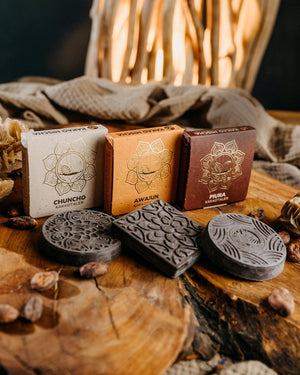
We have five varieties in our assortment, each with its own character:
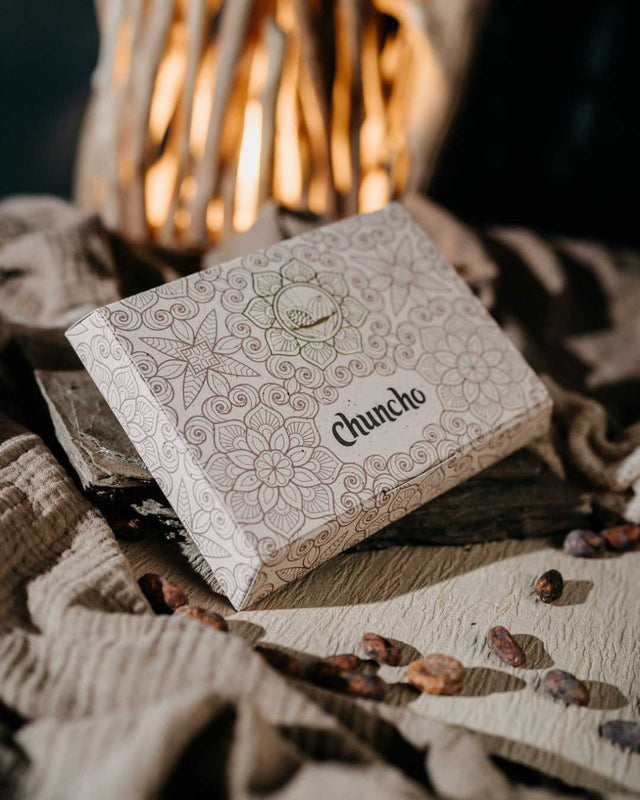
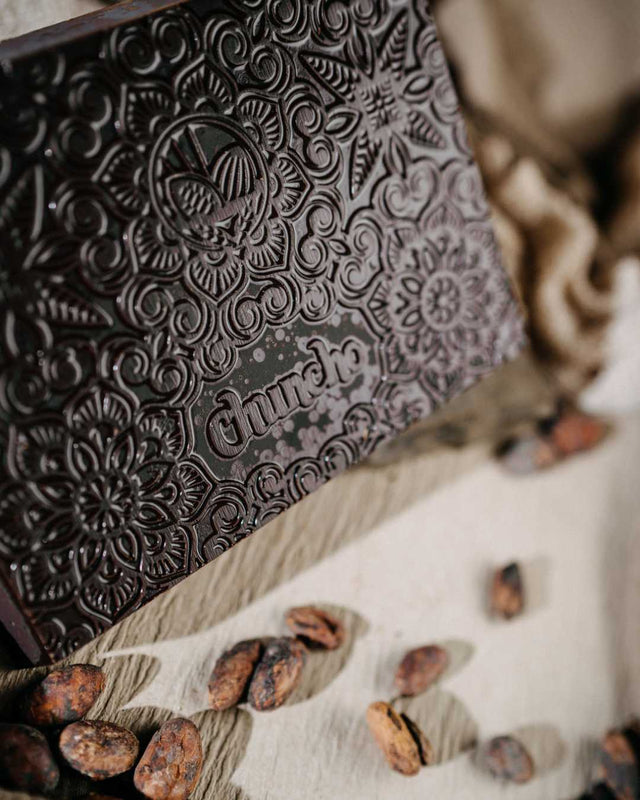
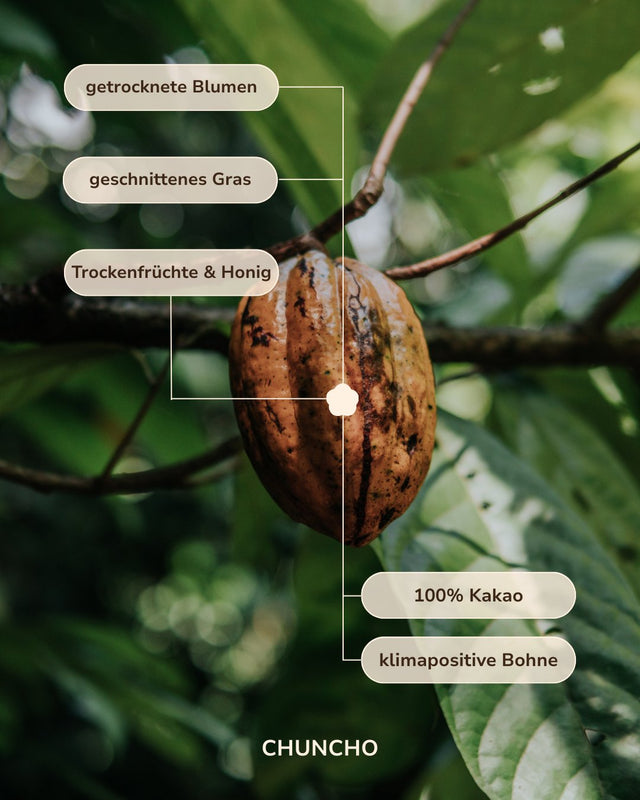
Chuncho from the Cusco Valley in Peru: warm, round, earthy. The classic entry point.
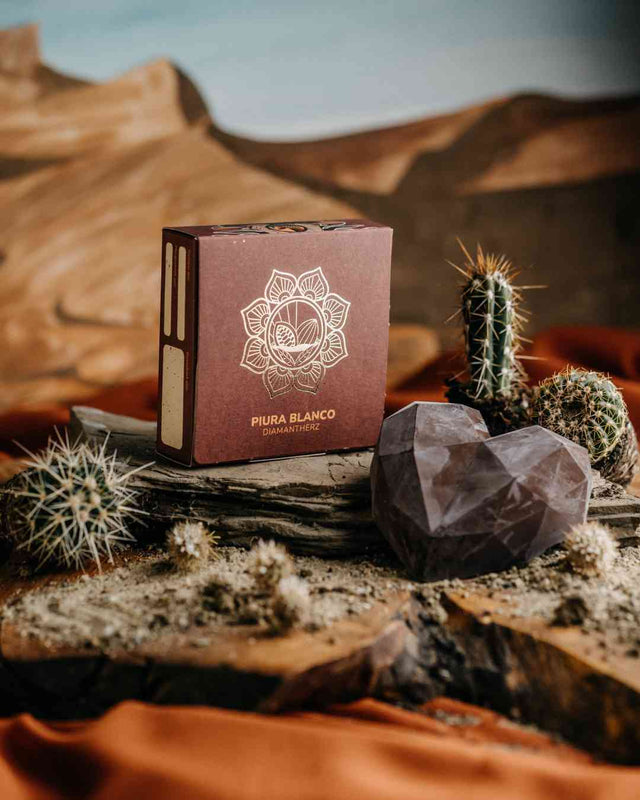
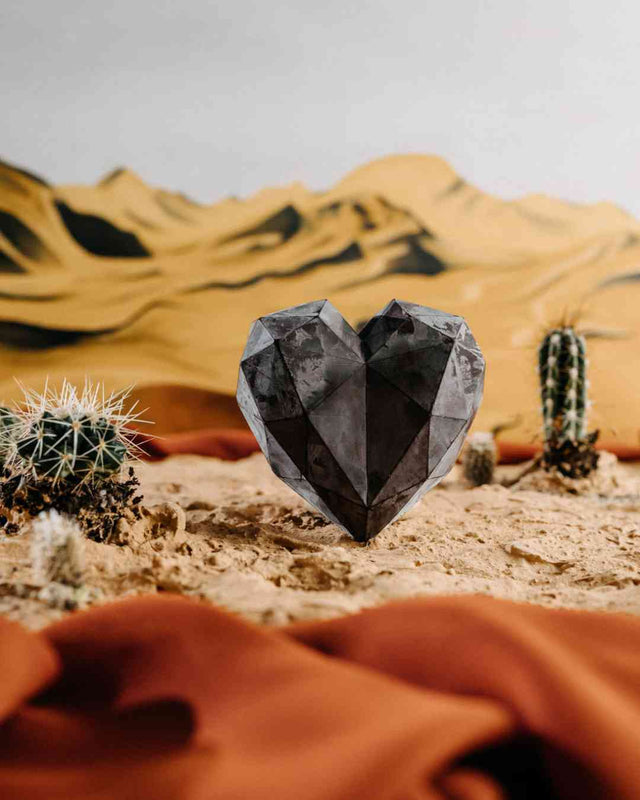
Piura Blanco from the dry forests of northern Peru: light, fruity, almost floral. Complex and surprising.
Awajun from the Amazon in Peru: an encompassing gentleness and sweetness, tasting very chocolatey with a note of citrus.
Esmeraldas from the depths of the Ecuadorian jungle: dark chocolate with a touch of black pepper.
Arhuaco from the Sierra Nevada in Colombia: it has a warm depth and is a cacao with enormous symbolism, sublime and grounded, like the tribal members themselves.
All five varieties are purchased by me directly from the farming communities. We don't call this a supply chain, but a chain of appreciation. Every hand that touches this cacao—from the harvest to the shipping from our factory—should have been treated with respect and fair payment.
That is not a promise on our website. That is the reason why Kakao Mischa exists at all.

If you would like to try ceremonial cacao for the first time: just start. You don’t need equipment, prior knowledge, or a perfect situation. A good cacao mass, hot water, and five minutes of real silence are enough to begin.
The rest will fall into place.
Your Mischa
Find similar articles:
arhuaco Awajun chuncho esmeraldas herstellung kakao kakaosorten kakaozeremonie piurablanco story wirkungMentioned in this article

-
 Chuncho
 -

 Chuncho
Kakao Mischa
The Chuncho Gift Bundle: Ceremonial Cacao bars with Instructions and Affirmations
8,50 €(283,33 € / kg)Unavailable -
 Piura Blanco
 -
 SaleChuncho
Kakao Mischa
The Chuncho: Ceremonial cacao bars in a pack of 12
60 €102 €(166,67 € / kg)Unavailable

